Burglar Alarm Guide: 5 Types of Burglar Alarms and How They Protect Your Property
Sommaire
- Which Burglar Alarm System Is Best for Your Home?
- What Is a Burglar Alarm?
- The 5 Main Types of Burglar Alarms for Home Security
- 1. Wired Burglar Alarms
- 2. Wireless Burglar Alarms
- 3. Audible (Bell-Only) Alarms
- 4. Monitored Burglar Alarms (24/7 Response)
- 5. Smart Burglar Alarms (App-Driven & Integrated)
- Which Burglar Alarm System Is Best for Your Home?
- DIY vs Professional Installation: Which Fits You?
- Why Use a Burglar Alarm For Your Home
- Sting Security: Your Trusted Security Partner in the Greater Montreal
- Frequently Asked Questions About Burglar Alarms
- How much does a burglar alarm cost?
- What is the best burglar alarm system for a home?
- Do smart burglar alarms work with home automation?
- Can burglar alarms really lower insurance costs?
- How can I reduce false alarms?
- What devices are included in a burglar alarm system?
Which Burglar Alarm System Is Best for Your Home?
What Is a Burglar Alarm?
A burglar alarm is a security system designed to detect unauthorized entry into a home or building using door and window sensors, motion detectors, and a central control panel. When triggered, the system activates a loud siren and, in monitored setups, alerts a professional monitoring center for rapid response.
Burglar alarms are designed to deter intruders, detect suspicious activity early, and trigger immediate alerts. Modern systems can include wired or wireless sensors, mobile app control, smart integrations, and 24/7 monitoring services for enhanced protection.
The 5 Main Types of Burglar Alarms for Home Security
| Type | How It Works | Pros | Cons | Best For |
| Wired | Sensors connected via cables to a control panel. | Reliable, tamper-resistant, long lifespan. | Visible cabling in retrofits. | Large or multi-floor homes, permanent installs. |
| Wireless | Battery-powered sensors send signals to a base station. | Easy installation, flexible, and integrates with smart devices. | Battery changes, possible interference. | Renters, condos, growing families. |
| Audible (Bell-Only) | Siren sounds (≈105 dB) when triggered. | Affordable, simple deterrent. | No escalation, false alarm risks. | Budget-conscious users, small homes. |
| Monitored | 24/7 monitoring center responds to alerts. | Immediate response, peace of mind, insurance perks. | Monthly service fees. | Homeowners who want professional backup. |
| Smart | Wi-Fi & app-based with smart integrations. | Remote control, video verification, expandable. | Dependent on internet, cloud subscriptions. | Tech-savvy users, smart homes |
Each burglar alarm system combines multiple devices, including door contacts, motion sensors, glass-break detectors, and control panels. Whether wired or wireless, these security devices work together to detect intrusion attempts and activate alerts instantly.
1. Wired Burglar Alarms
Traditional, robust security system architecture using hardwired sensors and zones.
How it works
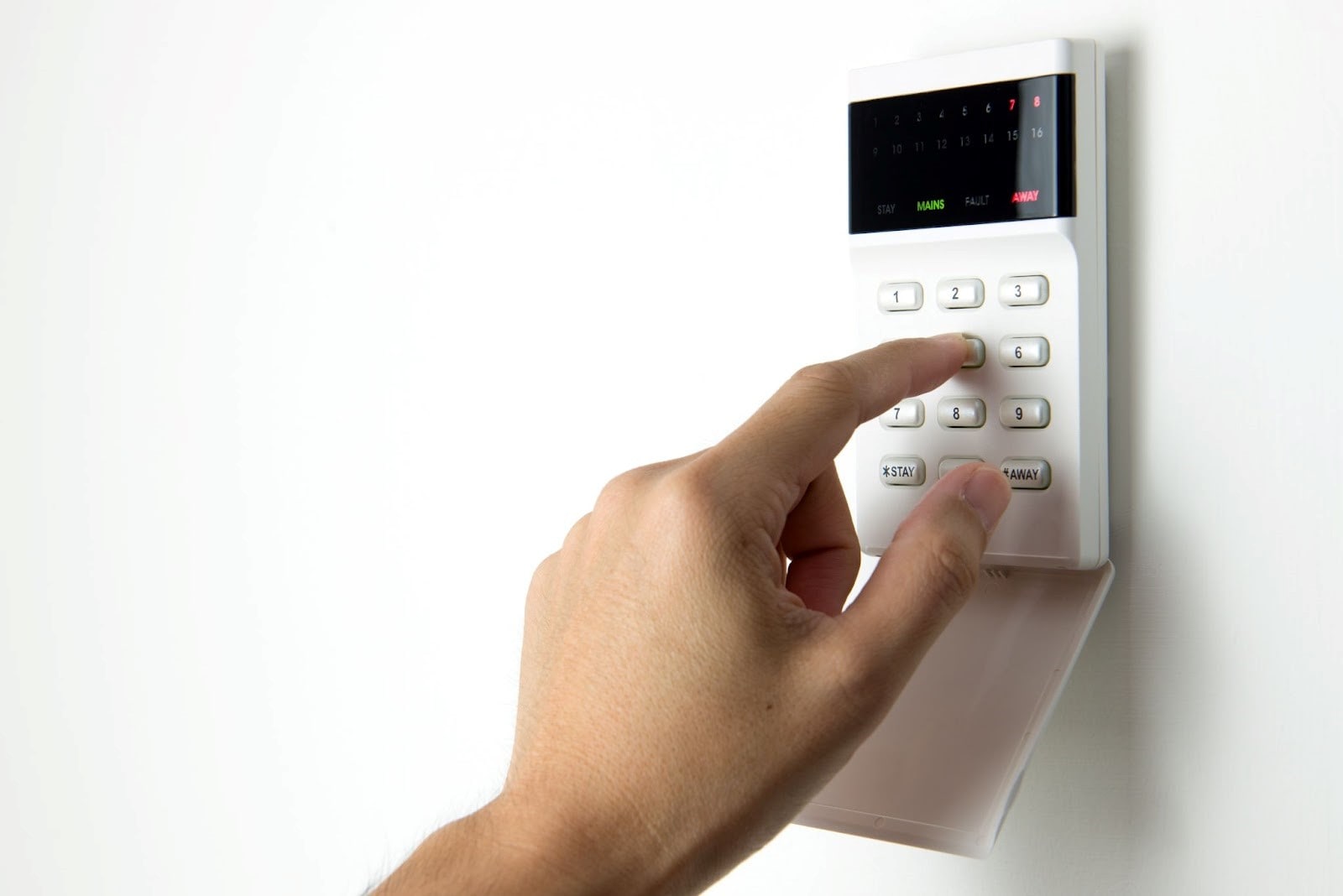
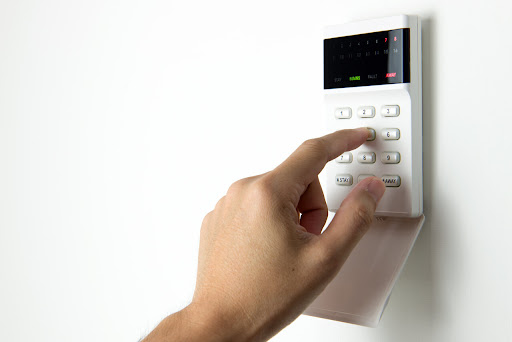
Discrete cabling links door contact sensors, window contacts, motion detectors (often passive infrared), and shock sensors to a central control panel/control box with a wall keypad. When a protected entryway opens or activity is detected, the panel sends a signal to sound the siren and (if enabled) notify our monitoring centers.
Pros
- Reliability & noise immunity: Stable alarm circuits/electric circuits, minimal RF interference.
- Tamper-resistant: Cutting a cable typically triggers a tamper alert.
- Longevity: Fewer batteries to replace; great for multi-floor homes and permanent installs.
Cons
- Installation process: Requires cabling; best handled by professional installation.
- Aesthetics/retrofits: Finished walls may need careful routing (we plan paths to keep wiring hidden).
2. Wireless Burglar Alarms
Modern, flexible systems using encrypted RF transmitters.
How it works
Battery-powered security sensors, including PIR motion detectors, magnetic contact sensors, and glass-break microphones, communicate wirelessly with a central base station via a built-in radio receiver. The mobile app offers real-time alerts, user access management, and system control. A cellular backup ensures uninterrupted notifications even if your Wi-Fi connection fails.
Pros
- Fast setup: Perfect for condos, rentals, and townhomes.
- Scalable: You can add cameras, video doorbells, and new detectors as your needs grow.
- Smart features: Voice control with Alexa and Google Home, integration with smart locks, and customizable home automation routines.
Cons
- Battery maintenance: Periodic replacements on motion sensor/door contact sensor devices.
- Range/interference: Needs thoughtful coverage planning around metal or concrete.
3. Audible (Bell-Only) Alarms
Deterrence-first alarm that sounds a loud siren/chime on trigger.
How it works
In the event of unauthorized entry or motion, a high-decibel (105 dB) siren is triggered to drive away intruders and draw immediate attention.
Pros
- Cost-effective option: Lower upfront cost.
- Simple & direct: Immediate audible response; can pair with lights for extra deterrence.
Cons
- No escalation: Without a monitoring service, response relies on you or a neighbor.
- False alarms: Improper sensitivity calibration or pet interference may cause false alarms. Our team can adjust settings to ensure accurate detection and fewer disturbances.
4. Monitored Burglar Alarms (24/7 Response)
Human-backed protection via 24/7 professional alarm monitoring.
How it works
When an alert is triggered, monitoring operators verify the activity, contact the occupants, and dispatch police if necessary. Cellular backup and redundant communication paths ensure continuous signal transmission, even if Wi-Fi fails.
Pros
- Intruder intervention: Verified events get a prioritized response.
- Peace of mind: Someone’s watching every hour, every day.
- Insurance benefits: Many insurers recognize professionally monitored home alarm systems.
Cons
- Monthly fee: Ongoing service cost (at Sting Security, we offer clear packages, warranties, and support).
5. Smart Burglar Alarms (App-Driven & Integrated)
Connected security system with automation, video, and voice control.
How it works
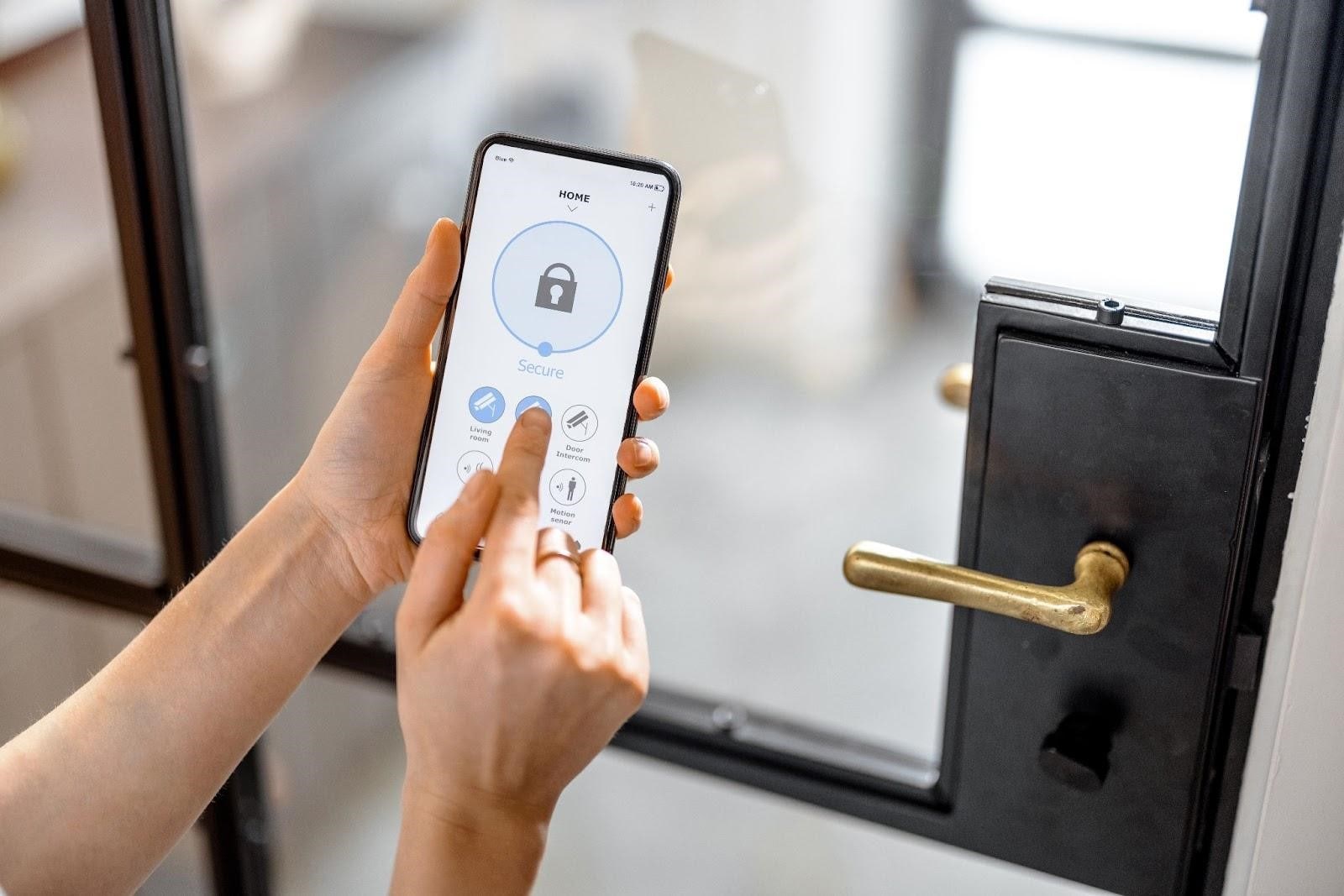
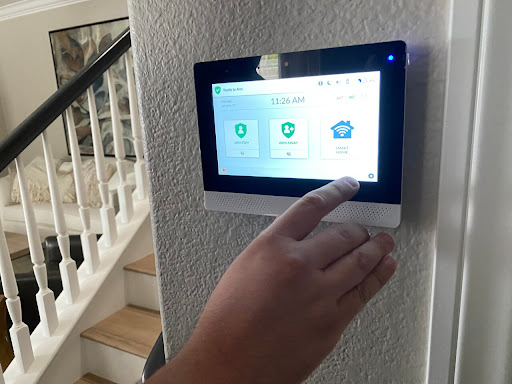
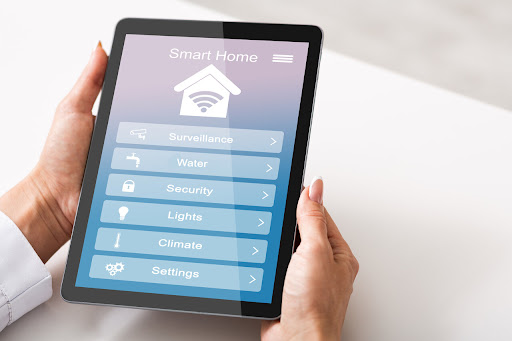
Your mobile app puts you in control. You can arm or disarm your system, view live cameras, access cloud-stored footage, and automate routines. For example, when motion is detected, the system can turn on lights, lock smart locks, and begin recording. It also integrates seamlessly with Alexa-enabled devices, Google Home, and video doorbells.
Pros
- Remote control: Manage users, settings, and schedules anywhere.
- Visual verification: Security cameras, video doorbells, and cloud video storage clarify what happened.
- Expandable: Easily add extra sensors, cameras, or smart devices over time, ensuring your system grows with your home’s security needs.
Cons
- Connectivity dependence: Needs reliable Internet or a plan for cellular backup.
- Cloud plans: Make sure to understand storage tiers and subscriptions before you buy.
Which Burglar Alarm System Is Best for Your Home?
The best burglar alarm system depends on your property size, security goals, and monitoring preferences.
- For small apartments or condos: Wireless or smart burglar alarms offer easy installation and remote control.
- For large homes with multiple entry points: Wired or hybrid systems provide stable coverage and long-term reliability.
- For homeowners seeking maximum protection: Professionally monitored burglar alarms ensure immediate emergency response.
- For smart homes: App-driven alarm systems integrate with cameras, lights, and automation devices.
Need Help Choosing a Burglar Alarm System? Contact Us for Advice!
DIY vs Professional Installation: Which Fits You?
DIY security systems work well for smaller spaces, giving you full control over setup, sensor placement, and ongoing maintenance. However, for larger homes, complex layouts, or properties with multiple entry points, professional installation is often the better choice. Expertly installed systems are optimized for transmitter range, sensitivity levels, control panel placement, noise reduction, and privacy, ensuring reliable coverage and performance throughout the entire property.
At Sting Security, we take the guesswork out of setting up a burglar alarm. Our team handles everything from choosing the right sensors for your doors, windows, and entryways to placing your control panel where it delivers the strongest coverage. By relying on our professional installation, you gain a reliable, customized home security system backed by local expertise and ongoing support.
Discover Why Montreal Families Trust Sting Security
Why Use a Burglar Alarm For Your Home
- Deterrence: A visible security system with yard signs, a smart siren alarm, and outdoor security cameras sends a clear signal to potential intruders that the house is protected. Even simple video doorbells or well-placed lights make most break-ins less appealing.
- Early Detection: Well-positioned motion detectors (such as passive infrared motion sensors, magnetic detectors on windows and doors, or a glass-break microphone) catch suspicious activity in real-time. These devices link back to the control box or base station, triggering instant alerts.
- Awareness: Real-time app notifications, combined with an audible alarm and visual video clips from cameras, keep you aware of what’s happening. In monitored setups, our operators can contact the police immediately for faster intruder intervention.
- Lower Risk & Cost: A professionally installed home security system not only reduces the chance of loss but can also lower long-term costs by improving insurance rates. Flexible packages, extended warranties, and optional subscriptions for cloud storage or cellular backup ensure you’re covered every hour of the day.
Home Security Systems: How Effective Are They in Protecting Your Home?
Sting Security: Your Trusted Security Partner in the Greater Montreal
At Sting Security, we design personalized home security packages with the leading security system products, precise coverage, and smooth professional installation. Our team configures your keypad, trains users, optimizes settings, and supports you long after day one.
Ready to protect your home? Book a security audit. We’ll size your home alarm system, recommend the best options, and activate 24/7 monitoring so your family and your property stay secure!
Enjoy 24/7 Protection with Sting Security
Frequently Asked Questions About Burglar Alarms
How much does a burglar alarm cost?
The cost of a burglar alarm system depends on the size of the property, the number of sensors installed, and whether professional monitoring is included. Basic wireless systems have lower upfront costs, while professionally installed and monitored systems involve higher initial setup fees and ongoing monthly service charges.
What is the best burglar alarm system for a home?
The best burglar alarm system depends on your home’s layout, risk level, and monitoring preferences. Wireless systems are ideal for smaller homes or rentals, while wired or hybrid systems provide long-term reliability for larger properties. Professionally monitored systems offer the highest level of protection and emergency response.
Do smart burglar alarms work with home automation?
Yes. Smart burglar alarms can integrate with home automation systems, including smart locks, lighting controls, video doorbells, and voice assistants. When motion or entry is detected, the system can trigger automated actions such as turning on lights, locking doors, or recording video footage.
Can burglar alarms really lower insurance costs?
Many insurance providers offer discounts for homes equipped with professionally installed and monitored burglar alarm systems. Because these systems reduce the risk of theft and property damage, insurers may lower premiums based on the added level of protection and rapid response capability.
How can I reduce false alarms?
False alarms can be reduced by proper sensor placement, correct sensitivity calibration, and routine maintenance. Ensuring motion detectors are positioned away from HVAC vents, pets, or moving objects helps improve accuracy. Professionally configured systems are less likely to trigger unnecessary alerts.
What devices are included in a burglar alarm system?
A typical burglar alarm system includes door and window contact sensors, motion detectors, a central control panel, a siren, and optional monitoring connectivity. Advanced systems may also include glass-break detectors, keypads, mobile app access, and video surveillance integration.